Best Free Ecommerce Platforms of 2026

Starting an online store in today's era is no longer a costly requirement. In fact, in the present era, tons of ecommerce platforms offer a free plan or free trials to get your first sales rolling. Whether you are a small business owner, a solo creator, or someone just trying to test the product idea, there is a free e-commerce platform built fr you.
But here sis small catch: not every free pan can be treated equally. Some platforms hide their premium features behind a paywall. Others charge hefty transaction fees that eat into your profit. And few have limitations that you outgrow within a month of usage.
This guide will help you overcome these challenges. We tested and compared the free ecommerce platforms available in 2026, which are actually free, and broke them down in plain language so you can make the right decision for your business.
What to Look for in the Best Free Ecommerce Platforms
Before diving deep into the lift, here are a few things to check when choosing any free ecommerce platform.
Product limits: Some free plans only allow listing 5 or 10 products. If you plan to grow, that becomes a wall very quickly.
Transaction fees: A platform might be completely free for you, but charge 2 to 5 percent on every sale. On a hundred sales a month, you could lose a big chunk of your profit.
Payment options: Check whether you can accept credit cards, PayPal, or local payment methods without upgrading to a paid plan.
Customization: Can you make or customize the store the way you want, or are you stuck with one template?
Hosting: Is your store hosted for you, or do you need to do it on your own web hosting?
Scalability: Will the platform grow with you, or will you need to switch to another tool when volume starts to come?
Support: The free plan often comes with limited support. Check out the support system, as you may need it when things start to grow.
Quick Comparison Table
| Platform | Free Plan | Product Limit | Transaction Fee | Hosting Included | Best For |
|---|---|---|---|---|---|
| WooCommerce | Yes (plugin is free) | Unlimited | None (gateway fees apply) | No (need WordPress hosting) | Flexible, scalable stores |
| Shopify | Free trial only | Unlimited during trial | Yes, if not using Shopify Payments | Yes | Beginners wanting to test fast |
| Wix eCommerce | Yes (limited) | Unlimited | None | Yes | Simple stores and portfolios |
| Ecwid | Yes (up to 5 products) | 5 on free plan | None | Yes (as widget or standalone) | Adding a store to existing site |
| Big Cartel | Yes (up to 5 products) | 5 on free plan | None | Yes | Artists and creators |
| Square Online | Yes | Unlimited | Yes (2.9% + 30 cents) | Yes | In-person and online sellers |
| PrestaShop | Yes (open source) | Unlimited | None | No (self-hosted) | Tech-savvy users wanting full control |
Best Free Ecommerce Platforms of 2026
1. WooCommerce
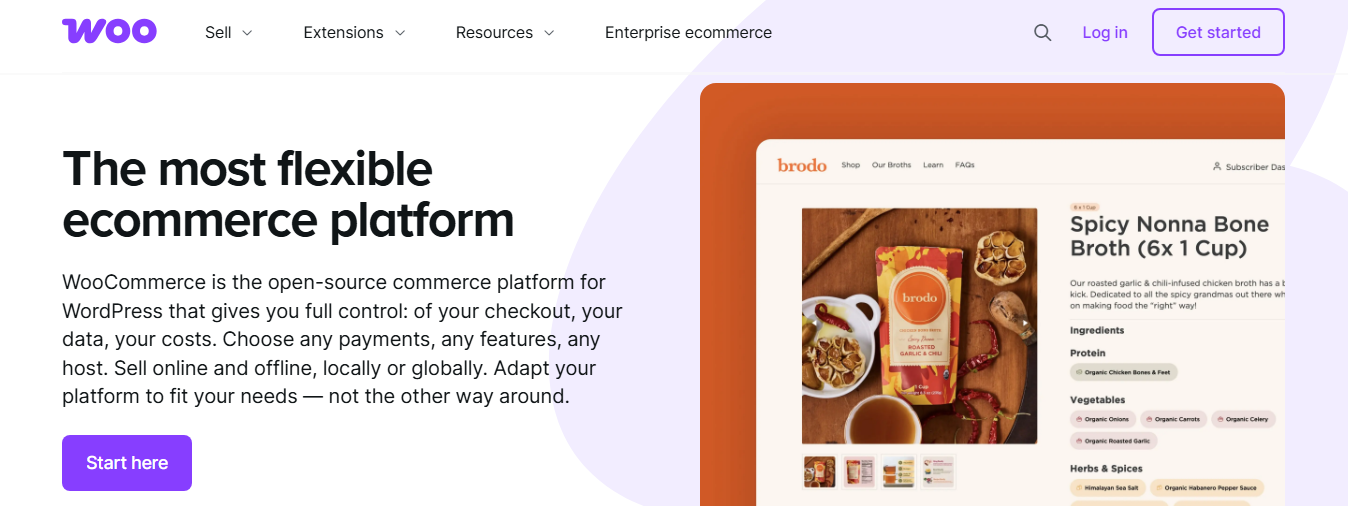
WooCommerce is, without a doubt, the best free ecommerce platform in the market. The core plugin is completely free for use. It runs on WordPress; if you already have a WordPress website, you can run a fully functional online store without spending dollars on ecommerce.
What you get for free:
The WooCommerce plugin gives you unlimited product listings, order management, customer accounts, and basic shipping and tax settings built in. You can sell almost everything with this plugin, which includes physical products, digital products, or even a subscription with the right extensions. The store builder has a solid foundation and is deeply integrated with the WordPress ecosystem, which gives you full control over site content, blog, and product pages all in one place.
Where costs come in:
Here is the honest part. WooCommerce itself is free, but you will need WordPress hosting to run it smoothly. Reliable managed hosting costs around three to ten dollars per month, depending on the provider. You also need to have a domain name, which costs around ten to fifteen dollars per year.
Payment gateway fees also apply. WooCommerce payments, Stripe, and PayPal also charge standard processing fees, but Woocommerce itself does not charge any extra transaction fees on top of that.
Who should use WooCommerce:
Woocommerce is ideal for anyone comfortable with the WordPress CMS and willing to learn it. It is also recommended for those who want a store without hitting platform limitations. If you are a blogger, content creator, or small business, it is the most natural choice.
Limitations:
The learning curve is steeper compared to drag-and-drop builders. You are also responsible for hosting, updates, and security.
Overall rating for the free plan: 9/10
2. Shopify (Free Trial / Starter Options)

Shopify does not have a permanent free plan, but it deserves a place in this list for several reasons. First, it offers one of the most generous free trials in the industry. Second, its price is so low that one may think of this as an entry point in ecommerce. And third, it is rated as one of the best platforms alive when it comes to e-commerce by many experts and industry leaders.
What you get for free:
As of 20026, Shopify's free trial gives you enough access to test its strength as ecommerce platform for a limited time. During the trial, you can set up pricing, designs, shipping, payment options, and even test purchases. There is no product limit for the trial.
Where costs come in:
Once your trials end, you need to opt for a paid plan. The basic plan starts at 29 dollars a month. If you use external payment gateways instead of Shopify payment, you will be charged additionally for them.
Who should use Shopify's trial:
If you want a test ecommerce is the right way to spend money, then Shopify is the Picasso of it. It is clean, fast, and beginner-friendly.
Limitations:
It's not the free deal. You either pay or lose your store. Shopify is also more expensive than most of the other options once you go for a paid plan.
Overall rating for the free plan: 7/10 (trial only)
3. Wix eCommerce
Wix started its journey as a website builder, but over the years, it grew into a solid ecommerce platform. It offers a free plan to quickly start the processes. Although the free plan has some limitations, you need to know about.
What you get for free:
Wix's free plan gives you its drag-and-drop builder, hundreds of templates to choose from for an e-commerce site, and the ability to list products easily. You get hosting, an SSL certificate, and wix subdomain. The store setup is very simple, and you can start with zero experience.
Where costs come in:
The free plan does not allow you to accept payments through your store. To actually sell and make money from customers, you need to be on the paid business plan. This is one of the biggest drawbacks of Wix's free trial. You can display a product for free, but checkout and payment cost seventeen dollars per month.
Wix also doesn't charge any transaction fees on its paid plan, which is a bonus if you opt for their paid plan.
Who should use Wix eCommerce:
Wix is a great platform for business owners, local service providers, or anyone who values design and ease of use over technical control. If you want a beautiful store without hiring any developer, Wix is the choice for you.
Limitations:
No payment processing in the free plan. You also get the Wix brand domain (wixsite.com) unless you upgrade. Some users find migrating a big issue as their content is locked into their system.
Overall rating for the free plan: 6.5/10
4. Ecwid
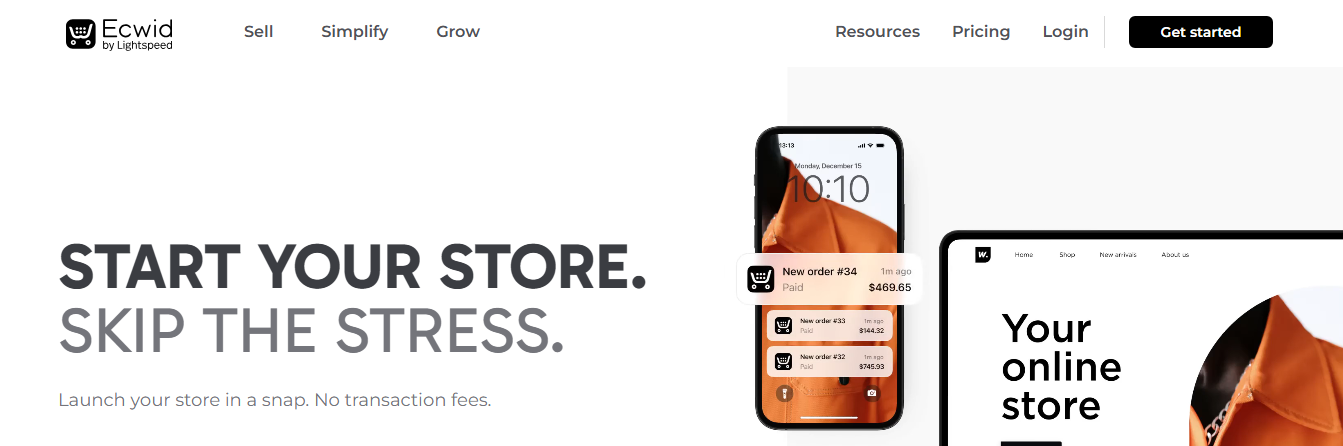
Ecwid takes a different approach compared to other platforms on this list. Instead of building a new website, it lets you add a store to any existing website, social media page, or even standalone storefront. Its free plan is one of the most functional plans available in the market for small sellers.
What you get for free:
Ecwid's free plan allows listing up to 5 products. It gave you hosting functionality, SSL, and the ability to sell it on Facebook and Instagram for free. You can embed your store on any CMS platform like WordPress, Wix, Squarespace, and Joomla. The checkout process is very clean and simple, with no transaction fee and a mobile-responsive benefit.
Where costs come in:
The 5-product limit is the main restriction. If you want to sell more, you need to break the barrier and opt for a paid plan, which costs around 19 dollars per month, and includes more products, discount coupons, abandoned cart recovery, and advanced reporting.
Who should use Ecwid:
Ecwid is perfect for those who have a website but want to add ecommerce touch to it. It's good for beginners who want to test their product before investing in a powerful platform.
Limitations:
The 5 product limit is tight. Phone support is lacking in the free plan. Some features, like abandoned cart emails and discount codes, required upgrading.
Overall rating for the free plan: 7.5/10
5. Big Cartel

Big Cartel is specially built for artists, makers, and independent creators. It is one of those platforms that has free plans designed for people selling handmade or unique crafts in small quantities.
What you get for free:
Bir Cartels' free gold plan allows creators to list up to 5 products. You get a hosted store, free subdomain, Stripe and Payal integration, theme customization, and inventory tracking. There are no transaction fees involved, which is a big plus for everyone.
Where costs come in:
If you need more than 5 listings, then you need to upgrade to a paid plan. Big cartels' paid plans are very affordable compared to many competitors and start around nine to fifteen dollars per month for up to 50 or 500 products.
Who should use Big Cartel:
This platform is suitable for those who want to sell prints, crafters selling handmade goods, and musicians selling merchandise. The design and brand of Big Cartel are built around the creator economy, so tools and templates tend to reflect the aesthetic.
Limitations:
The 5-product bonus free plan is restrictive. Big Cratel also lacks some of the most common advanced features you can find on WooCommerce or Shopify, such as upsell tools and large-scale inventory management. It is not built for high-volume retailers.
Overall rating for the free plan: 7/10
6. Square Online
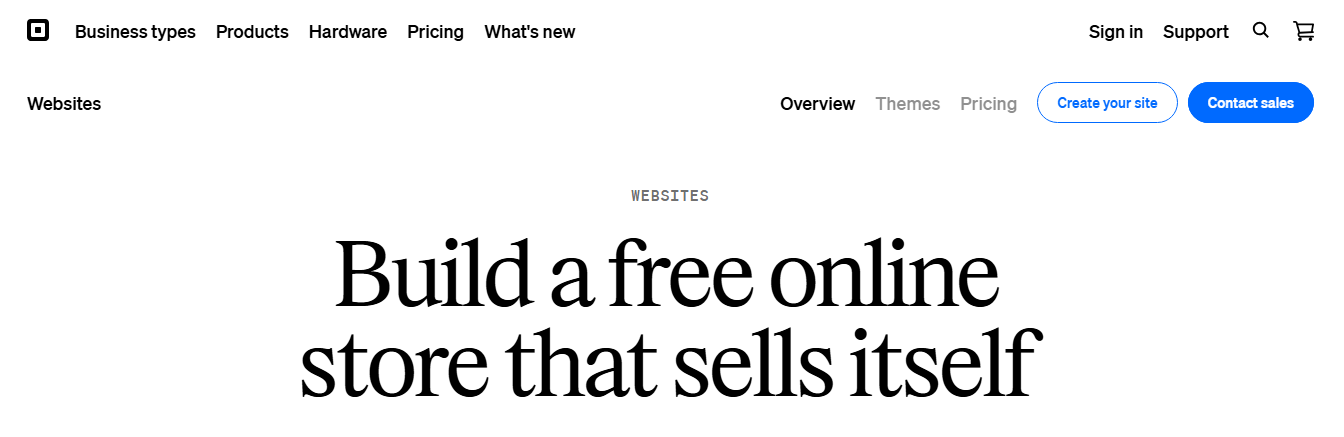
Square Online is part of the Square ecosystem, which is widely popular for its own point of sale hardware. Square Online offers free plans that allow you to run an online store with no monthly fee.
What you get for free:
Square's online, free plan gives you hosting. SSL and the ability to process real payments immediately. You do not need to upgrade to a paid plan to start selling. The platform also includes your inventory syncing with Vetweek, your in-store, and your physical Square POS, which will be a great advantage if you sell both in person and online.
Where costs come in:
Square online charges a transaction fee of 2.9 percent plus 30 cents on every sale, even on the free plan. This is a standard fee you need to pay for most payment processors, but it comes from Square itself, not from a third-party gateway. You also get free Shibdomian, and for a custom domain, you need to upgrade to a paid plan, which requires a paid subscription of twelve dollars per month.
Who should use Square Online:
Square Online is best suited for small business owners, restaurants, boutiques, and service providers who use Square for in-person payments. It is also good for businesses that want functional storage without upfront costs.
Limitations:
The transaction fee is something you need to look for. If you're doing things on volume, fees will add up quickly. Some marketing and e-commerce features, like abandoned cart recovery and advanced analytics, are only available in paid plans.
Overall rating for the free plan: 8/10
7. PrestaShop
PrestaShop is an open-source e-commerce platform completely free to download and use. It is the most powerful platform with almost 300,000 merchants worldwide.
What you get for free:
PrestaShop will give you a full engine to run an e-commerce store. You get unlimited products, an extension model marketplace, and multi-currency support. Because it's open source, you own everything, and there's no extra cost involved in it.
Where costs come in:
PrestaShop is self-hosted; you need to have a web host and a domain name for it. You also need to have a lot of technical knowledge to set up and maintain the platform. While the core software is free of cost, many of the best themes on the PrestaShop marketplace are paid, which typically range from a few dollars to several hundred.
Who should use PrestaShop:
PrestaShop is best for developers and technical entrepreneurs. If you are the one who wants full ownership, no monthly fees, and unlimited scalability, Prestashop is the go-to platform for you.
Limitations:
It's not the most beginner-friendly. You need to set up a web hosting, FTP, databases, and basic server management. Support is a community drive, update and security patches also need to be managed manually.
Overall rating for the free plan: 8/10 (for technical users)
Pros and Cons of Using the Best Free Ecommerce Platforms
Before you commit to any free plan, let's have an overview of the pros and cons:
Pros:
Zero upfront cost means you validate your business without too much financial risk. Free platforms are set for testing products for the market. Many freelancers are good enough to run a side hustle without the need to upgrade to a paid plan.
Cons:
Free plans often have product limits, feature restrictions, and branding requirements that make your brand look unprofessional. Some platforms charge a transaction fee. Some have limited support. As your business grows, you certainly outgrow the free plan and need to upgrade, which means a rise in monthly cost.
How to Choose the Best Free Ecommerce Platforms
Here is a simple framework you need to follow to pick the right platform.
If you're a complete beginner with no website: start the proceedings with Square Online or Ecwid. Both of you can set up your online store without much technical knowledge.
If you already have Wordpress site: Add WooCommerce. It is the best and a natural fit for your store.
If you are an artist or make and sell a limited number of products: Big Cartel is a match made in heaven. The free plan helps you set up 5 products.
If you want to test e-commerce before investing: use Shopify's free trial. You will get a full experience to decide if e-commerce is better for you or not.
If you want to add a store to an existing WordPress website: Use Ecwid, which embeds easily to any platform you desire.
If you sell both in person and online: Square Online is built for this and syncs your inventory automatically.
Final Verdict
The best free commerce platform depends on what you want to see, how technical you are, and how fast you plan to grow.
WooCommerce is best for anyone who wants a completely free solution within the WordPress ecosystem with unlimited product benefits. The core plugin costs nothing from your million-dollar store.
Square Online is the best option for beginners who want to sell right away with zero monthly fees and no complicated setup system.
Ecwid is the best for anyone who has a website and just wants to have a store in it without much of rebuilding anything.
Shopify is the best platform that is serious about its ecommerce business and wants a gold standard platform for future business requirements.
PrestaShop is the best option for developers and technical personnel who want enterprise-level features with no monthly subscription cost.
No matter which platform you start, the most important thing is to just start. A free plan is free to make your store live. Your first sales teach you better than any research can. Once you know your ordinary costs, you know which features to pay for.
FAQs
Is there a truly free ecommerce platform with no fees at all?
WooCommerce and PrestaShop came the closest, with no monthly fees or transaction fees. Big Cartel and Ecwid have free plans with no transaction fees, but are limited to 5 products. Square Online has no monthly fee but charges a per-transaction processing fee.
Can I sell on a free plan without upgrading?
Yes. WooCommerce is a strong choice for dropshipping with supported plugins like AliDropship and DSers. Shopify also supports dropshipping during the trial and testing period and on paid plans.
Do free ecommerce platforms support digital downloads?
Yes, of course. WooCommerce supports digital product sales on the free plan. Big Cartel, Ecwid, and Square Online are also well known for selling digital products on their free or low-cost tiers.
Will a free ecommerce platform hurt my SEO?
The platform itself does not have any negative impact on SEO, but a Wix-branded or Square-branded subdomain may not be the best choice for your domain authority. For the best SEO results, it's recommended to have a custom domain, which usually requires a paid plan or separate purchase.
When should I upgrade from a free plan?
When your store starts giving you consistent revenue, and you need upgraded features that the free plan can't provide, such as abandoned cart recovery, advanced analytics, more product listings, or a custom domain. A good rule of thumb is to upgrade when your monthly revenue covers the cost of the paid plan.
➤ Disclosure: Our content is reader-supported. If you click on certain links, we may make a commission. [Learn More]