I Wouldn't Start a Blog in 2026 Without These 7 Rules

Starting a blog in 2026 has changed a lot over the years compared to five years ago.
Back then, publishing more articles was the way to get more traffic. Today, Google AI Overviews, ChatGPT, Gemini, Perplexity, and other AI search engines have entirely changed the game of how people discover content. Organic traffic seems to be a harder job, and low-quality blogs started to disappear as they were never part of the online ecosystem.
If I have to start from zero today, I will not go after pageviews. I would rather build a blog that could be cited by both humans and AI.
Here are seven rules I must follow from day one.
1. Pick a Business, Not Just a Blog
The biggest mistake I see new bloggers make is choosing topics which looks interesting.
Instead, focus on a niche that can become a business.
Ask yourself:
- Are people already spending money here?
- Are there any affiliate programs?
- Can I create digital products later?
- Is there search demand?
For example, a general tech blog is very difficult to grow.
A blog focused on:
- WordPress
- SEO
- AI tools
- Web hosting
- Email marketing
has solid monetization options because readers are actively looking to buy software.
The goal is not getting traffic.
The goal is to attract profitable traffic.
2. Build Around Commercial Search Intent
In 2026, informational content is no longer a big deal.
AI can cite it in the blink of an eye.
Instead, I focus on these keywords where people are so close to making a purchase.
| Search Intent | Better Keyword Example |
|---|---|
| Comparison | ChatGPT vs Claude |
| Best Software | Best SEO tools for beginners |
| Alternatives | Semrush alternatives |
| Reviews | Elementor review |
| Tutorials | How to migrate WordPress to Cloudways |
| Buying Guides | Best managed WordPress hosting |
These keywords attract customers who want the solutions right away.
3. Create Content AI Can't Replace
AI can summarize facts.
AI can't replace personal experience.
That's the advantage we need to rely on and utilize.
Instead of writing, "Here are the best SEO tools."
Write:
- Which tool do you actually use
- Why you switched
- What results did you see
- What surprised you
- What disappointed you
Readers trust experience more than anything else.
Search engines themselves reward the creators who come up with practical solutions and firsthand experience.
AI search engines also look for content with genuine knowledge rather than citing the same informational content that everyone else creates.
So I will recommend everyone to start including:
- screenshots
- personal workflows
- original examples
- real comparisons
- Lessons learned
4. Publish Fewer Articles—but Make Them Better
I have never been a person who published 300 mediocre articles.
I've always been a guy who published 50 exceptional ones.
Every article I wrote must be the best resource on its topic.
That ultimately means:
- Answering every important question
- Adding original insights
- Explaining concepts simply
- Updating regularly
- Linking to reliable sources when appropriate
Depth wins.
Thin content is not going to survive AI-powered search, and I can say with my experience.
When readers spend more time on your content, Google knows that the content is useful, and they reward that content by giving it a position in the top 5 search rankings.
5. Own Your Audience From Day One
Many bloggers depend entirely on Google. I don't do so.
That's a risky move.
Search traffic has a lot of turbulence, and not everyone can survive.
That's why I recommend everyone collect email subscribers every month.
Offer something valuable:
- a checklist
- a template
- a resource library
- a mini course
- a weekly newsletter
Your email list belongs to you.
No algorithm has the power to take it away.
Tools like MailerLite or ConvertKit make it easy to build newsletters. I, personally, use ConvertKit to automate welcome emails and turn readers into long-term subscribers.
A small, engaged list is much better than a thousand anonymous monthly visitors.
6. Optimize for AI Search, Not Just Google
Search has dramatically changed, as you all know.
People have now started to question directly in AI assistants.
That means your content needs to be easy for both humans and AI to understand.
So here's what Ian is focusing on now:
- Descriptive headings
- short paragraphs
- direct answers
- FAQ sections
- comparison tables
- Clear definitions
- Step-by-step instructions
Instead of giving the depth of the content later in the content, answer it immediately.
Then explain it as detailed as possible.
This structure improved readability and increased the chances of being cited perfectly by AI-powered search engines.
Think of it as every section capable of standing alone as the effective answer to the user's question.
7. Invest in the Right Tools Early
Time is the most precious thing in the world.
Good tools help you publish faster, improve quality, and grow most efficiently.
Here's the stack I personally used in my own work and the clients' to save hours every week.
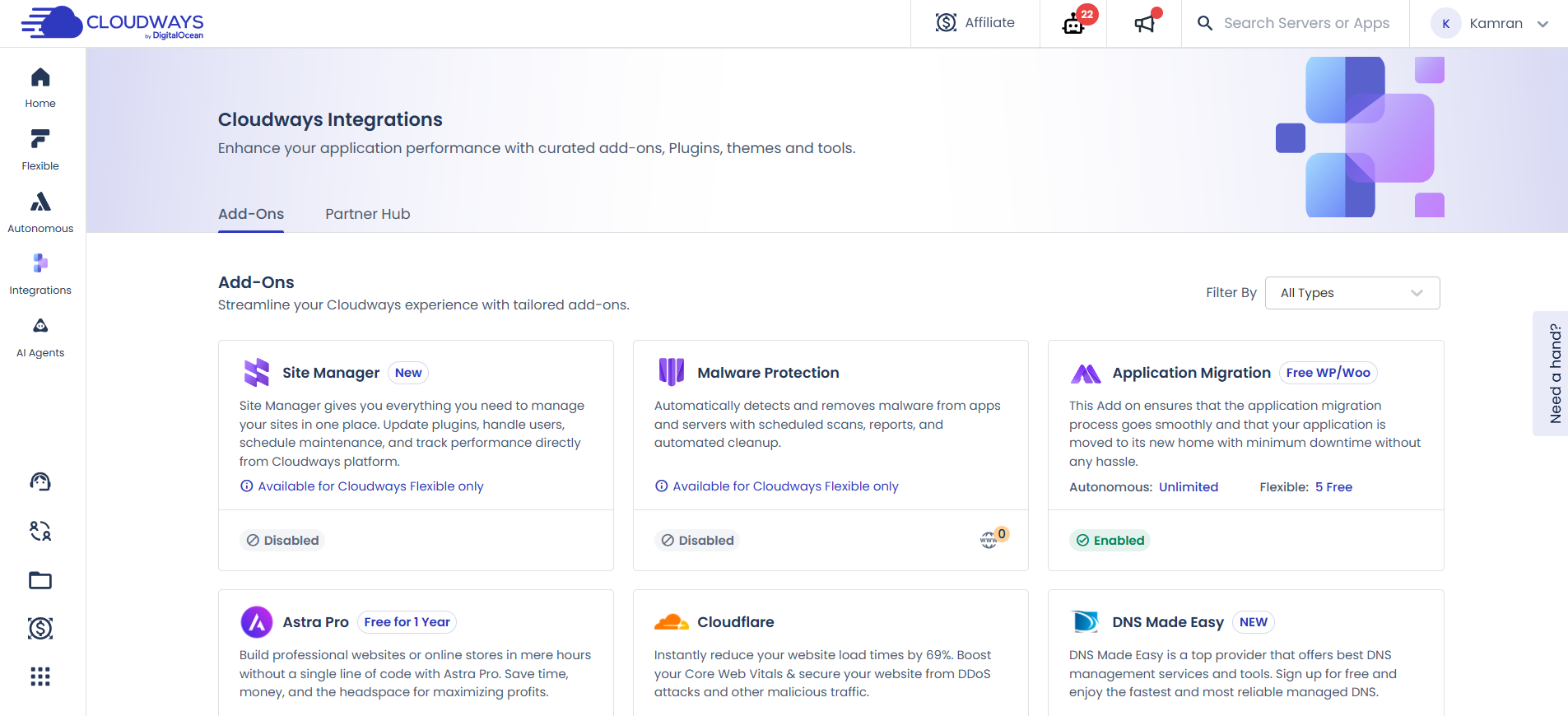
Cloudways: I personally used it, and Kinsta: I have recommended it to almost every big client.
SEO Research
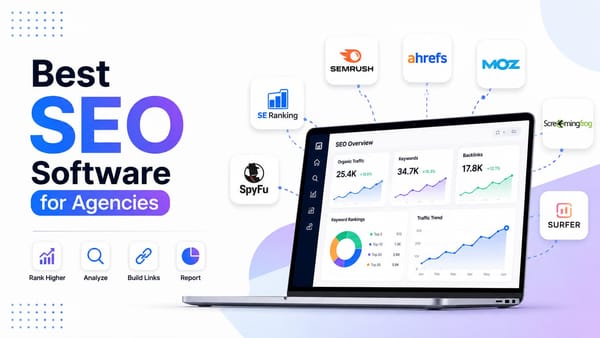
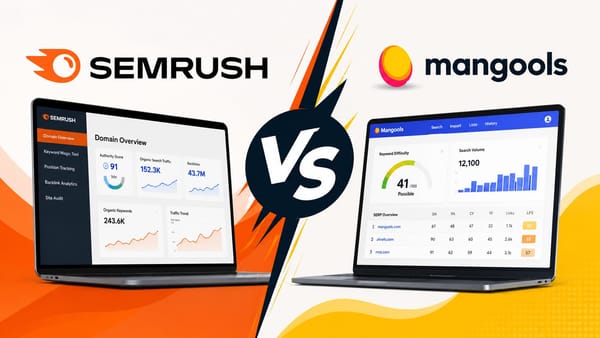
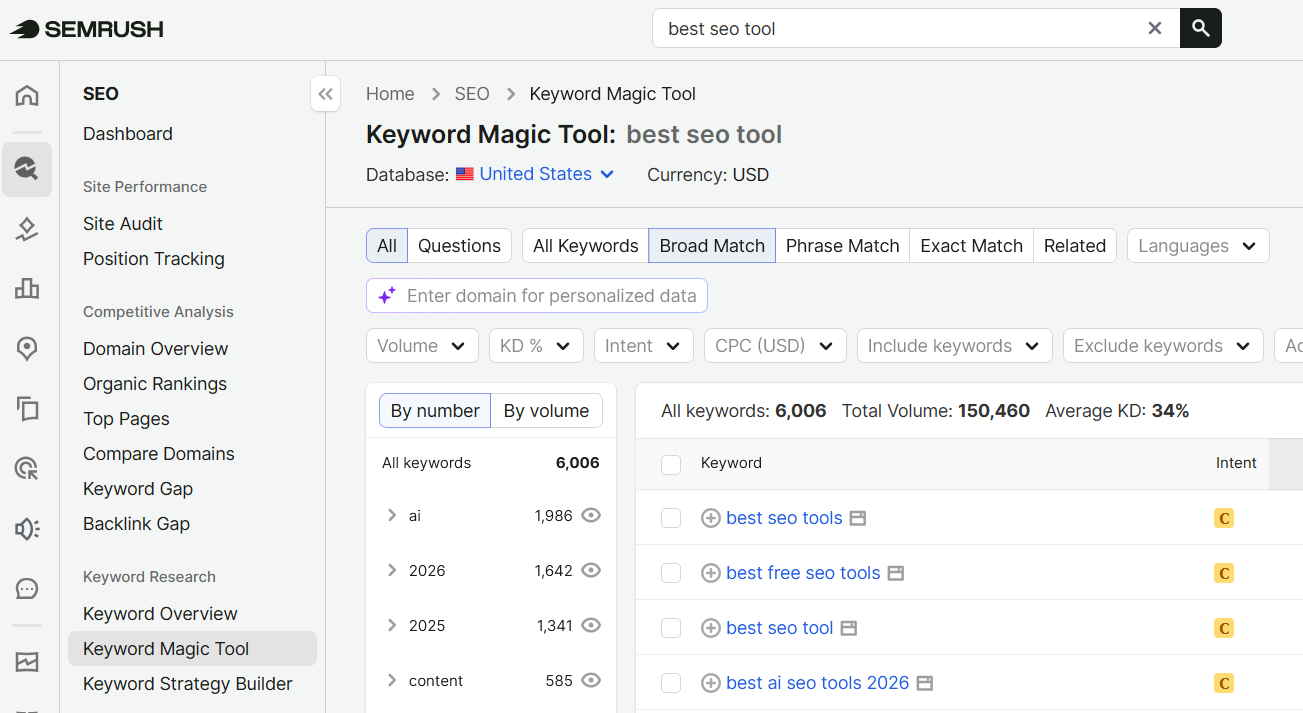
SEMrush
Semrush does not need any introduction in this list. For all my SEO needs, I rely on Semrush. I even used the Pro plan for my own and client work.
WordPress Builder
Elementor
Elementor is my go-to tool for creating custom-designed websites; I still think there is no better tool to design websites than this in the market.
Email Marketing
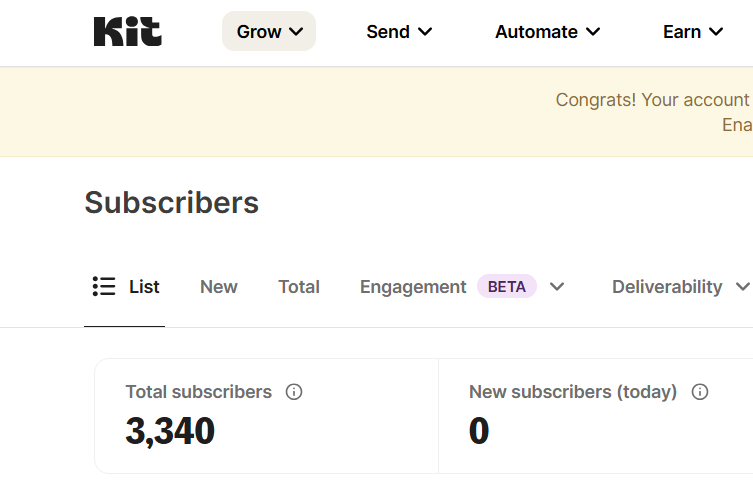
ConvertKit
This is my go-to email marketing tool, truly a game-changer for my business. I have more than 3000 email subscribers in it.
Performance
WP Rocket
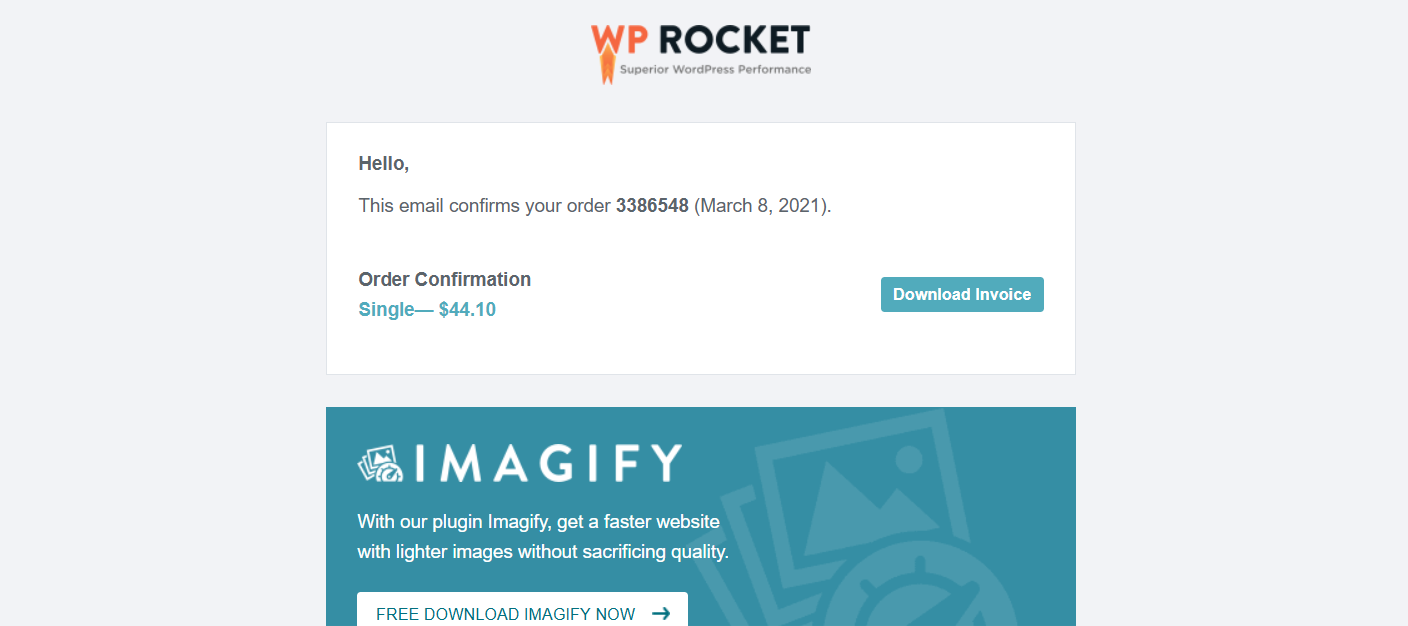
Big fan of WP Rocket; I have purchased this tool for one of my websites; this was way back in 2021, and I still recommend everyone to use this tool who wants to speed up their website.
Could you build a blog without paid tools?
Absolutely.
But investing the precious money in the right software always pays off by saving time, improving performance, and helping you earn affiliate revenue sooner.
The key is to buy tools that solve real problems, not just because everyone recommends them.
My Blogging Strategy for 2026
If I had to start again today, my roadmap would look like this:
- Choose one profitable niche.
- Publish high-quality commercial content.
- Share real experience instead of generic advice.
- Build an email list immediately.
- Focus on topical authority before expanding.
- Optimize content for AI search and Google.
- Recommend only tools I genuinely believe help readers.
Notice what's missing.
Let me tell you - I am not chasing any publishing frequency.
I am chasing usefulness.
That's what builds trust in the long term.
And trust is the most valuable asset a blogger can have.
Final Thoughts
Blogging isn't dead and never will be.
Lazy blogging is gone.
The creators who win in 2026 do not publish the most articles; they will be the ones to create the most useful articles.
If I have to stay today, I should be ignoring the outdated blogging and focus on building authority, trust, and a real business from day one.
Because that's what still works in today's world - and I believe it will continue to work for years to come.
Frequently Asked Questions
Is blogging still worth starting in 2026?
Yes, blogging is still valuable; no need to panic right now. Create expert and experience-driven content that solves real problems. You will be cited by both Google and AI.
Can AI replace bloggers?
AI can generate basic confirmation, but it can't replace firsthand experience, original testing, opinions, or unique insights. These remain the biggest advantages over AI.
How long does it take to make money from a blog?
It depends on your niche and your strategy, but many blogs started to earn money between 6 to 12 months.
What is the best blogging niche in 2026?
Profitable niches include AI tools, WordPress, SEO, web hosting, email marketing, personal finance, and software reviews because they have strong demand and are well established to be monetized by diverse means, which include ads, affiliate marketing, selling ad space, digital products, and a lot more.
➤ Disclosure: Our content is reader-supported. If you click on certain links, we may make a commission. [Learn More]